
I think it’s a great topic to discuss. The idea of Emotional Intelligence (or EI) was first proposed in the early 1990s. Researchers began to think that the typical classification of intelligence (or IQ) was not the only important predictor of future success. They suggested that a person’s ability to process information about emotions in a situation and apply that to their thinking and actions would also predict their future potential in all facets of their life.While emotional intelligence is not yet a highly defined set of skills, generally most people describe it as aspects of an individual’s personality.It includes a person’s ability to perceive emotion, use their emotions to assist their thoughts, understand the emotional meanings of situations, and manage their own feelings or help others to manage their feelings.It’s considered important because people with high EI tend to have better relationships with others, are better at setting goals for themselves and behaving in a way that helps them accomplish those aims. They’re also less likely to engage in problematic behaviours such as being argumentative or participating in dangerous activities, such as drug use.To develop EI in a child, there’s a range of things parents can do.Have GOOD attachment with your childA child’s emotional life starts with their relationship with their caregivers and it should be one of trust and reciprocity. By that I mean that the child should feel that they can rely on the comfort and attention of their caregiver when they need it. With this knowledge, the child will feel secure enough to explore their environment and express their feelings with others.Help them understand their emotions It is critical that your child can identify their feelings and have permission to experience those moods. When they appear to be responding strongly to something, name the emotion they seem to be feeling – be it anger, happiness or nervousness – and indicate that their response is understandable and not ‘wrong’. Start with the simple emotions when they are younger, but as they become older, move on to the more complex emotions, such as embarrassment or pride.Help them regulate their emotions While certain emotional responses are understandable, a critical element of EI is to be able to manage emotions when the situation demands it, or if their wellbeing depends on it. To facilitate this, parents should coach children in ways to eventually accept things they cannot change, not dwell on negative feelings too long, use techniques like deep breathing, or reframe their assessment of the situation to produce more helpful emotions. For example, in some tricky times, teach a child not to personalise events too much and refocus on something else, so they don’t become overwhelmed. It’s also essential that children don’t see temporary feelings, such as current apathy or frustration, as more important than their long-term goals. Ideally, the big picture should always be their main focus.Help them become aware of other’s emotionsAssist your child to become aware of other people’s feelings by having them think about being in other people’s shoes. Encourage them to identify what the protagonist in the book they’re reading might be feeling. In sibling arguments, have them identify what might be frustrating the other person.Definitive evidence of EI being as important as IQ isn’t quite there yet. But that’s not to say parents shouldn’t encourage emotional intelligence skills in their child to help them understand themselves and others, manage themselves in tricky situations, and feel more socially competent. Regardless of future research, those skills will give them a much rosier outlook.Download the Courier Mail app
Source link
You Might Also Like
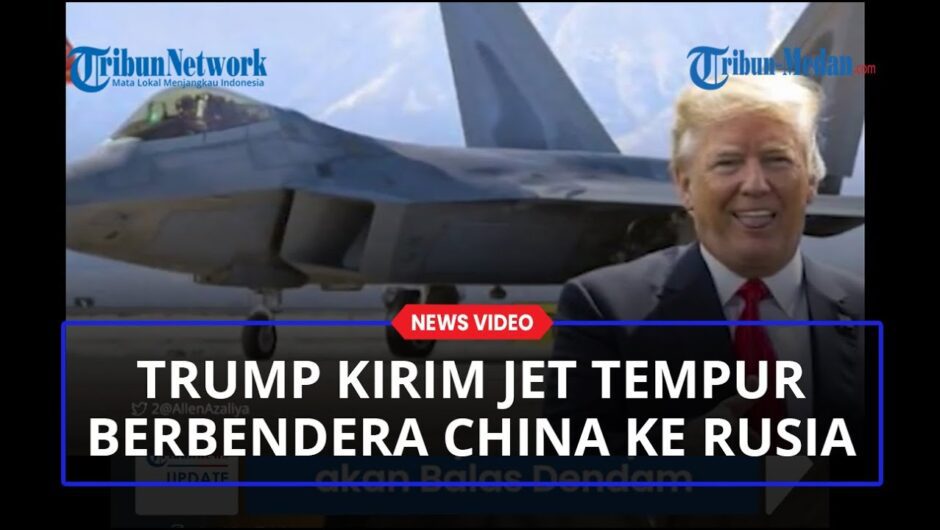
CANDAAN Donald Trump, Kirim Jet Tempur Pakai Bendera China ke Rusia: Mereka Bertengkar & Kita Nonton
https://medan.tribunnews.com/2022/03/08/candaan-donald-trump-kirim-jet-tempur-pakai-bendera-china-ke-rusia-mereka- … source
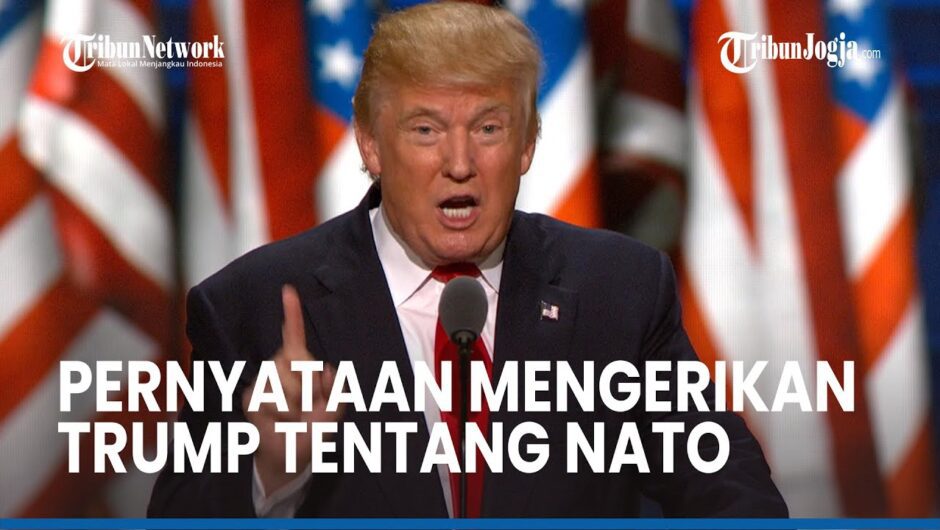
Trump Akan Biarkan Putin Serang Negara NATO jika Kembali Terpilih Jadi Presiden AS
Download aplikasi berita TribunX di Play Store atau App Store untuk dapatkan pengalaman baru Donald Trump membiarkan … source

RUSIA DERROTO A HITLER, A NAPOLEON Y SIGUES TU: TRUMP ADVIERTE A ZELENSKY | TheMXFam
En este podcast, analizamos la advertencia de Trump a Zelensky sobre la capacidad militar de Rusia, comparándola con las ……

डोनाल्ड ट्रंप कितने सालों के लिए जाएंगे जेल? | Why was Donald Trump arrested?
Join this channel to get access to perks: https://www.youtube.com/channel/UC43qCBEfmy-wouPmYlLSpIg/join #trump #america … source
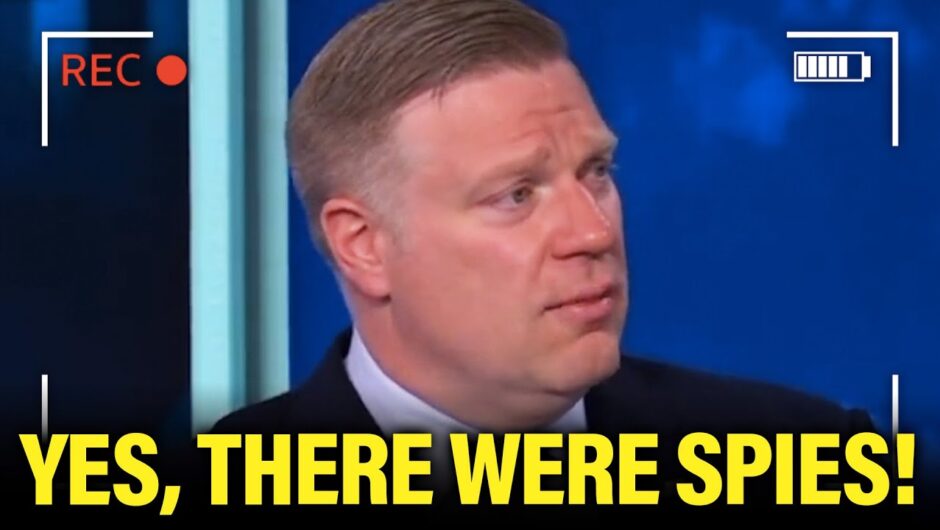
Trump Gets DEVASTATING WARNING from Former Lead Lawyer on LIVE TV
MeidasTouch host Ben Meiselas reports on a weekend show interview by Donald Trump’s former lawyer Tim Parlatore who said ……

Trump deporta bolsonarista foragida e detona Dudu Bananinha
2 incríveis opções BARATAS para aprender a fazer sobrar dinheiro no fim do mês. Escolha a sua: 1 – Quer…