
news, latest-news, AMC, Alexander Maconochie Centre, ACT Corrective Services, coronavirus, COVID-19
A year of high tensions and uncertainty for Canberra’s prisoners has resulted in a 70 per cent jump in the number of complaints levelled at ACT Corrective Services. In 2019-20, 117 complaints were lodged against the service; all of them to do with the Alexander Maconochie Centre. According to the ACT Ombudsman Michael Manthorpe’s annual report, almost all of them were filed by inmates. Last financial year, only 69 complaints were levelled against the territory’s corrective services. The detainees’ major qualms, as at June this year, had been about access to facilities, programs and medical treatment at the prison, as well as strip searching policies, parole processes, and segregation. They also complained about the prison’s cleanliness, correspondence, staff conduct and failure to make policy instructions publicly available, as well as visitor access. Visits at the prison were scrapped on March 22, around the time it was feared jails could become incubators for the coronavirus. Lawyers compared the facilities to cruise ships. The decision created an opportunity for bail applications en masse, with many detainees arguing the ban on visitors made serving their sentence or time on remand more onerous. Some semblance of normalcy came about on March 27 with the introduction of virtual visits, but in-person visits didn’t resume until September 9 and with strict COVID-19 guidelines. READ MORE: In the ombudsman’s report, Mr Manthorpe said of the 117 complaints against corrections, 103 were finalised without investigation. Of the complaints that were investigated, two resulted in a change to a law, policy or practice. Most resulted in a better explanation of a decision by the ombudsman. Mr Manthorpe said his office, along with other oversight agencies, had raised concerns about strip searching procedures at the jail “following the introduction of new arrangements”. He said corrective services acknowledged their concerns and “some of the feedback was incorporated into revised policy guidance”.
/images/transform/v1/crop/frm/tPntrWhUbGLyDWYCTv46rt/ffd48f85-f524-4444-a8ed-09b59cc16c3b.jpg/r0_281_5568_3427_w1200_h678_fmax.jpg
A year of high tensions and uncertainty for Canberra’s prisoners has resulted in a 70 per cent jump in the number of complaints levelled at ACT Corrective Services.
In 2019-20, 117 complaints were lodged against the service; all of them to do with the Alexander Maconochie Centre.
According to the ACT Ombudsman Michael Manthorpe’s annual report, almost all of them were filed by inmates.
Last financial year, only 69 complaints were levelled against the territory’s corrective services.
The detainees’ major qualms, as at June this year, had been about access to facilities, programs and medical treatment at the prison, as well as strip searching policies, parole processes, and segregation.
They also complained about the prison’s cleanliness, correspondence, staff conduct and failure to make policy instructions publicly available, as well as visitor access.
The decision created an opportunity for bail applications en masse, with many detainees arguing the ban on visitors made serving their sentence or time on remand more onerous.
Some semblance of normalcy came about on March 27 with the introduction of virtual visits, but in-person visits didn’t resume until September 9 and with strict COVID-19 guidelines.
In the ombudsman’s report, Mr Manthorpe said of the 117 complaints against corrections, 103 were finalised without investigation.
Of the complaints that were investigated, two resulted in a change to a law, policy or practice. Most resulted in a better explanation of a decision by the ombudsman.
Mr Manthorpe said his office, along with other oversight agencies, had raised concerns about strip searching procedures at the jail “following the introduction of new arrangements”.
He said corrective services acknowledged their concerns and “some of the feedback was incorporated into revised policy guidance”.
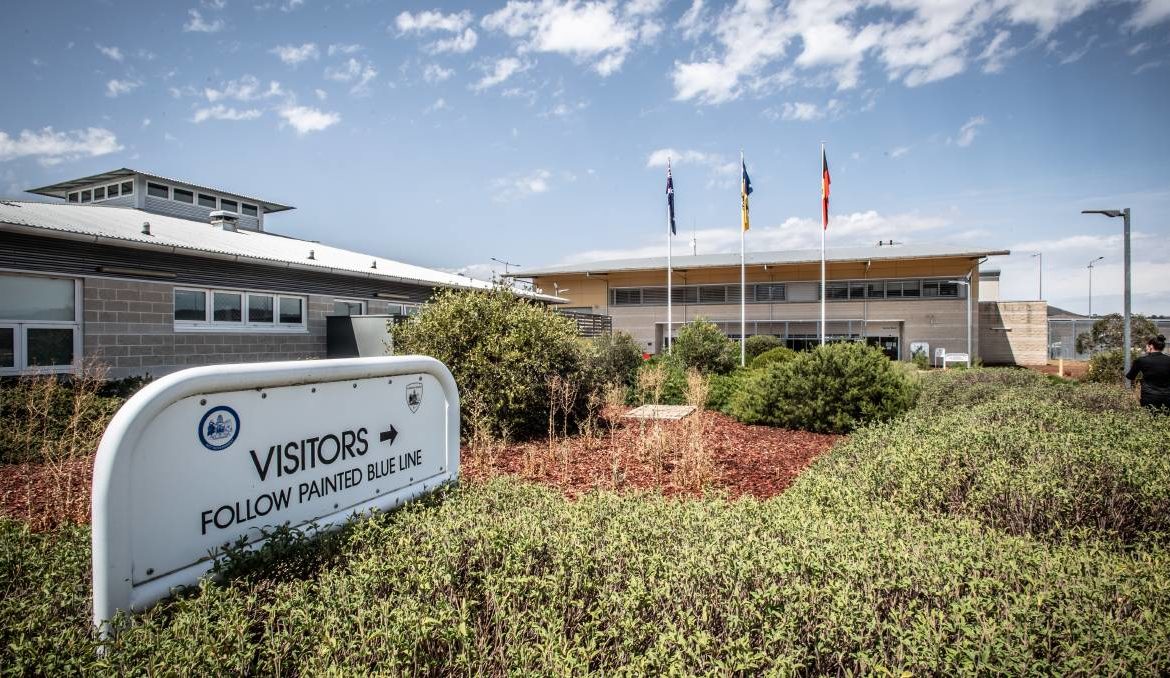
The Alexander Maconochie Centre. Picture: Karleen Minney