Medical services in the city were at breaking point, he said.
“No light, no fuel for back-up generator, no gloves, no anti-pain [medication], no antibiotics, no meals for patients and staff, no bank access – even our ambulance was taken by the soldiers,” the doctor said in a text message, asking that he and his hospital not be named for fear of reprisals.
Government officials did not immediately respond to requests for comment. Claims by all sides have been difficult to verify because most communications are down, and the government has tightly controlled media and humanitarian access since the conflict began on November 4.
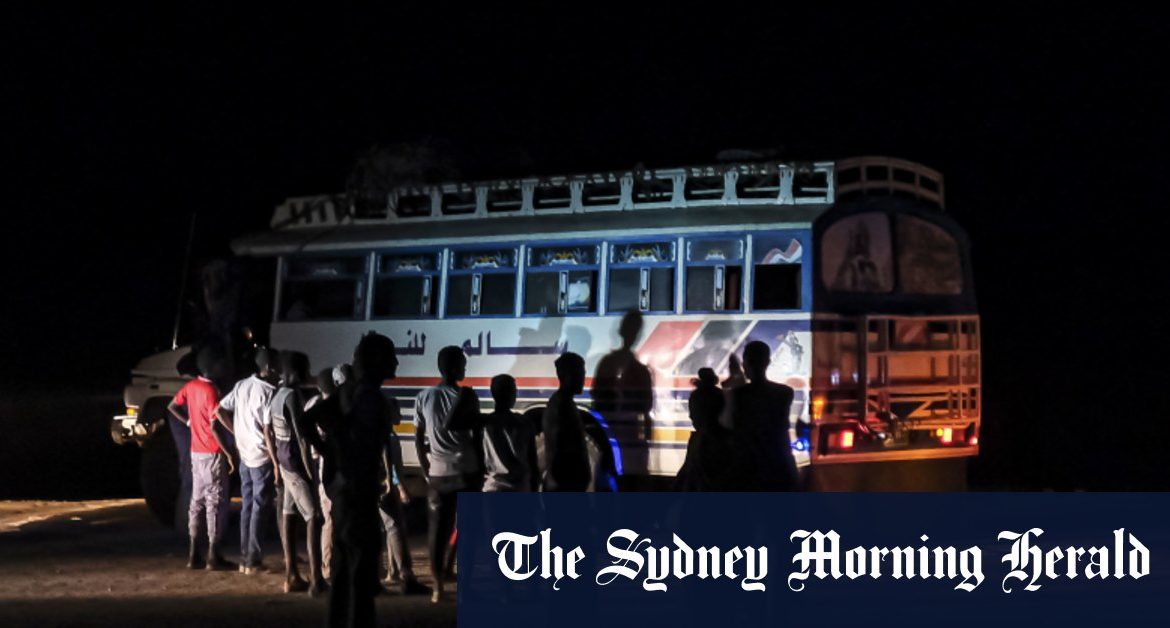
Abiy’s rapid declaration of victory came as his government sought to soothe concerns at home and abroad that the conflict could destabilise Africa’s second most populous country and the wider Horn of Africa region. Thousands of people are believed to have been killed and around 46,000 have fled to Ethiopia’s western neighbour, Sudan.
The TPLF said it had pulled out of Mekele to avoid destroying the city but has vowed to keep fighting.
Sporadic clashes persist in areas outside the city, according to residents, diplomats and the TPLF.
On Friday, residents also reported looting and protests within Mekele.
A Tigray woman goes into labour at an understaffed clinic run by the Sudanese Ministry of Health with assistance from Doctors Without Borders, in the Sudanese border village of Hamdayet. Credit:Getty Images
Government officials have declined to comment on what they describe as unverified accounts of continued conflict. However, an emergency taskforce on Tigray said federal forces “are not looting their own people”.
“Considering the initial security gap until the provisional administration set up, there were indications of individuals engaged in looting using the transition as a cover,” the taskforce said in a statement to Reuters.
Loading
“Some of the criminal group’s foot soldiers are also hiding in Mekele,” the statement continued, referring to the TPLF.
Ethiopia and the United Nations reached an agreement last week to allow desperately needed relief into government-controlled areas of Tigray.
However, two senior aid officials said on Sunday that looting and lawlessness meant the region was still too volatile to dispatch convoys. Some UN staff in Mekele have faced harassment from security forces, they said.
Families turning up at an aid agency office in the central town of Shire had to be turned away because there was nothing to give them, the two officials said.
Loading
“The shortage of basic commodities including food, water fuel, cash, is affecting everyone, including humanitarians,” Saviano Abreu, the regional head for the UN’s Office for the Coordination of Humanitarian Affairs, said.
The party accuses Abiy of seeking to centralise power at the expense of Ethiopia’s 10 regions and says Tigrayan officials were unfairly targeted in a crackdown on corruption and rights abuses.
Most Viewed in World
Loading